Showing all 13 results
50%
Original price was: ₹99.00.₹50.00Current price is: ₹50.00.
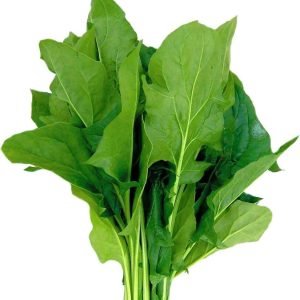
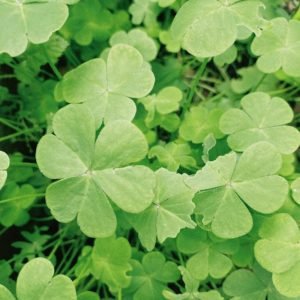
Aala keerai Clover Leafy vegetable seedsQuantity: 100 seeds / 3 gramsClover leaf / ஆரா கீரை (ஆல கீரை ), commonly referred to as "clover," belongs to the genus Trifolium. Clover is notable for its trifoliate leaves (each stem usually bears three leaflets) and its importance in agriculture, particularly in improving soil fertility and as a forage crop.Cooking this like spinach is the most tastiest recipe you will get to taste. An easy to grow green leafy vegetable for home gardeners to add rich iron to our diet.Aala keerai Clover Leafy vegetable seeds
SKU:SKU-CLOV00119%
Original price was: ₹5,500.00.₹4,500.00Current price is: ₹4,500.00.
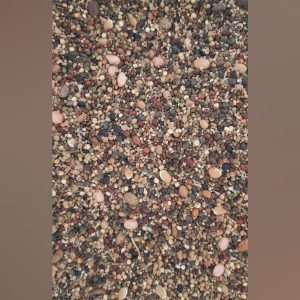
Cover Crop Mix of 20 variety Seeds – Natural Soil Protection & Green ManureCALL US or WhatsApp BEFORE PLACING THE ORDER at +91 9361742302 Cover Crop Mix Containing a Mix Of 20 Varieties - Seeds (Millets, Oil seeds, Legumes, Lentils etc) QUANTITY: 25 Kgms mixed cover crop seedsThis mix of 25kg is required for one acre sowing.Buy Cover Crop Mix Seeds online from Hooga Seeds. Improve soil health, add organic matter, support nutrient cycling, suppress weeds and protect soil naturally. Ideal for organic, natural and regenerative farming.IMPORTANT: Preparation of this customised mix will happen only after you place the order so dispatch will take 8 days minimum. If you are planning to use this mix, place your order 15days before your sowing time. Mix of 20 Varieties - Seeds
SKU:SKU-COVE001- Sunhemp
- Daincha
- Varagu (Finger millet)
- Saamai (Little millet)
- Thinai
- Kudhiraivali
- Kambu (Pearl millet)
- Senjolam (Red Sorghum)
- Vellai Cholam (White Sorghum)
- Thattai payiru
- Paasipayiru
- Kollu
- Karuppu kollu
- Ulundhu
- Thuvarai
- Ellu
- Castor
- Kadugu
- Groundnut
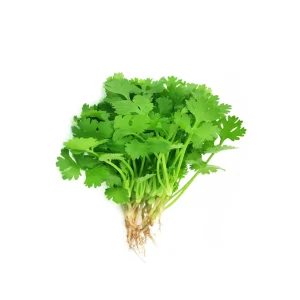
- Coriander
- Reduce the need for herbicides and other pesticides
- Improve yields by enhancing soil health
- Prevent soil erosion
- Conserve soil moisture
- Protect water quality
- Help safeguard personal health
40%
Original price was: ₹150.00.₹90.00Current price is: ₹90.00.
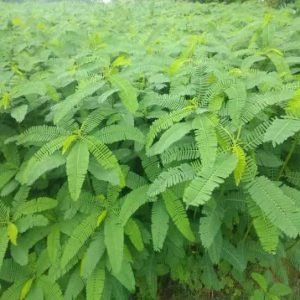
Daincha Seeds for healthier soilQuantity: 250 gramsDaincha (scientific name: Sesbania bispinosa) is a fast-growing legume plant that has been used for centuries as a green manure crop. It is well-known for its ability to fix nitrogen in the soil, enriching it with essential nutrients. Daincha seeds are an excellent choice for farmers, gardeners, and sustainable agriculture enthusiasts who want to boost soil quality naturally and increase crop yields.Daincha Seeds for healthier soil
SKU:SKU-DAIN00450%
Original price was: ₹99.00.₹50.00Current price is: ₹50.00.
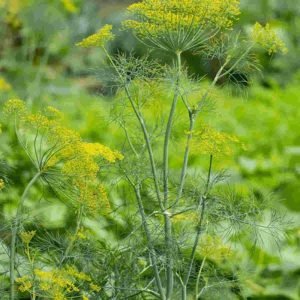
Dill Aromatic Herb Gardening SeedsQuantiy: 5 grams
SKU:SKU-DILL00150%
Original price was: ₹99.00.₹50.00Current price is: ₹50.00.
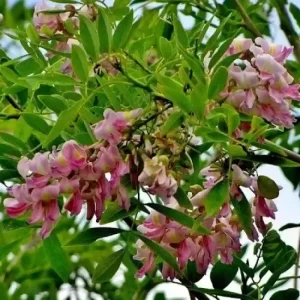
Gliricidia Sepium organic tree seedsQuantity: 3 to 5 gramsPlanting and caring for Gliricidia Sepium is simple, even for first-time gardeners. Follow these easy steps to grow this fast-growing, beneficial tree:
SKU:SKU-TREE025- Choose the Right Location: Gliricidia Sepium thrives in well-drained soils with plenty of sunlight. It’s ideal for tropical and subtropical climates, but can also tolerate a variety of soil types.
- Soil Preparation: The tree prefers loamy or sandy soil but can adapt to less fertile soils. Prepare the soil by loosening it and adding organic matter for better growth.
- Planting: Sow the Gliricidia Sepium organic tree seeds directly in the soil or in a seed tray. Plant the seeds at a depth of about 2–3 cm and keep them moist during germination.
- Watering: Water regularly but avoid over-watering. This tree is drought-resistant once established, but it requires adequate moisture during the early stages of growth.
- Pruning: Pruning is beneficial for encouraging healthy growth and maintaining a manageable shape. You can also use the pruned branches for composting or mulching.
- Fertilization: Gliricidia Sepium thrives in nutrient-rich soils. You can fertilize the tree with organic compost to support its rapid growth.
47%
Original price was: ₹150.00.₹80.00Current price is: ₹80.00.
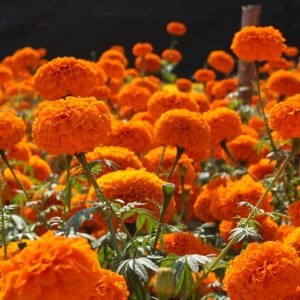
Marigold African Orange flower seedsQuantity: 2 grams (100+seeds)Marigold, scientifically known as Tagetes, is a popular flowering plant that is highly regarded for its bright and vibrant blooms. It is a member of the Asteraceae family, which includes daisies and sunflowers. Marigold is treasured for its resilience, easy cultivation, and its ability to attract beneficial insects to the garden.
30%
Out of Stock
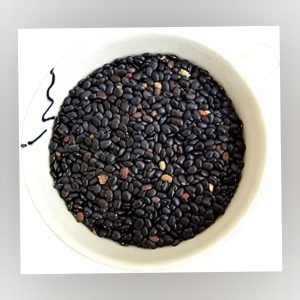
Native Black Horse Gram Seeds / Karuppu KolluQuantity: 250 gramsOrganic black horse gram is a hardy, drought-resistant legume native to India and other parts of Asia. Our Native Organic Black Horse Gram Seeds are carefully selected from the best local, non-GMO varieties that are grown using eco-friendly farming practices. These seeds are grown without the use of synthetic chemicals, pesticides, or fertilizers, ensuring you get a pure and natural product that is both good for the environment and your health.
SKU:SKU-GRAM00338%
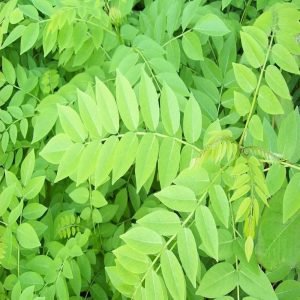
Original price was: ₹80.00.₹50.00Current price is: ₹50.00.
Nitrogen fixing Gliricidia Fodder SeedsQuantity: 50+ seedsGliricidia (scientifically known as Gliricidia sepium) is a fast-growing, nitrogen-fixing tree that is widely used in agroforestry systems to improve soil fertility, as a shade tree, and for fodder. It’s also a great choice for composting and can be used to control erosion and create living fences. Growing Gliricidia from seeds organically is an eco-friendly way to harness its benefits while improving your soil health.
SKU:SKU-GLIR00317%
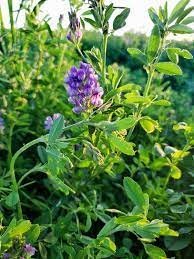
Original price was: ₹120.00.₹100.00Current price is: ₹100.00.
Premium Alfalfa Seeds OnlineQuantity: 50 gramsReady to grow your own nutritious alfalfa sprouts or enrich your garden with a sustainable, organic cover crop? Order our premium alfalfa seeds today and experience the benefits of this highly versatile, low-maintenance plant. Perfect for both beginner and experienced gardeners, our organic alfalfa seeds will help you grow a healthier, more vibrant garden while promoting better soil health and reducing your reliance on synthetic fertilizers.Premium Alfalfa Seeds OnlineClick here to order your alfalfa seeds now and start your journey toward a more sustainable, nutrient-rich garden!
76%
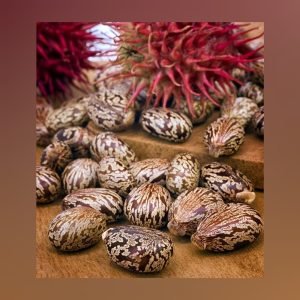
Original price was: ₹1,250.00.₹300.00Current price is: ₹300.00.
Premium castor seedsQuantity: 250 gramsAt HOOGA, we provide high-quality castor seeds for both commercial and personal use. Whether you are a large-scale farmer, an organic grower, or a home gardener looking to explore new crops, our seeds are the ideal choice for your agricultural needs.
SKU:SKU-CAST00517%
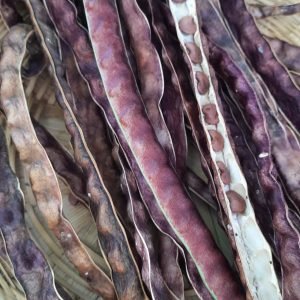
Out of Stock
Quantity: 30 to 35 seedsRed Fibreless Cow pea heirloom seeds, a unique red beans cow pea variety. A creeping species. It can be used for cooking at any age as it does not contain fibre says the seed keeper and farmer Mr Vakkachan who has been saving and growing these seeds for 50+ years now. Multi-branching habit. Keep only one seedling at base. Fruits and seeds are red in colour. 20 to 25cm long. The plant will last upto 6months. Best for kitchen garden.Planting Method Seed Preparation: Use high-quality seeds from a reliable source. Soaking the seeds in water for about 2-3 hours before planting can enhance germination.Planting Time: The best time to plant in India is during the early summer (March to April) or during the monsoon season (June to July).Planting Depth: Soak seeds in water for 30 minutes before sowing. Sow the seeds about 1 inch deep in the soil.Spacing: Space the seeds 8-10 inches apart within rows, with rows spaced about 3 feet apart. This spacing allows for adequate air circulation and growth.
SKU:HSK-BEAN003240%
Original price was: ₹150.00.₹90.00Current price is: ₹90.00.
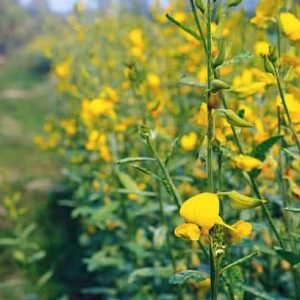
Sunhemp seeds for healthier soilQuantity: 250gramsOur Sunhemp seeds for healthier soil are the perfect choice for gardeners, farmers, and sustainable agriculture enthusiasts. Here’s why you should buy Sunhemp seeds from us:
SKU:SKU-SUNH001- High Germination Rate: Our Sunhemp seeds are carefully selected to ensure maximum germination and strong plant growth.
- 100% Organic & Non-GMO: Our seeds are grown without the use of harmful chemicals, making them perfect for organic gardens and sustainable farming practices.
- Soil Enrichment: As a nitrogen-fixing legume, Sunhemp naturally enriches your soil, reducing the need for synthetic fertilizers and contributing to a healthier garden ecosystem.
- Sustainable Farming: Sunhemp helps improve biodiversity, reduce erosion, and enhance soil health, making it a vital part of any sustainable farming system.
- Multipurpose Crop: Whether you need it for green manure, animal fodder, or as a cover crop to suppress weeds, Sunhemp is a versatile, high-yield plant that benefits your entire garden or farm.
50%
Original price was: ₹99.00.₹50.00Current price is: ₹50.00.
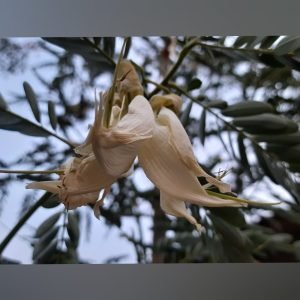
Vellai Agathi Keerai /Sesbania Grandiflora Pack of 30+ Seeds,Vellai Agathi Keerai is a leafy green vegetable that is highly regarded for its nutritional value and culinary versatility. It is a popular ingredient in traditional South Indian cuisine, prized for its tender leaves, delicate flavor, and numerous health benefits.
Recently viewed
38%
Out of Stock
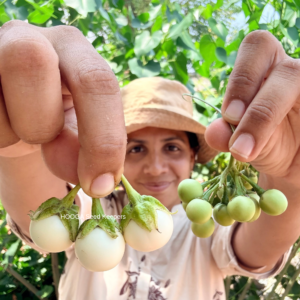
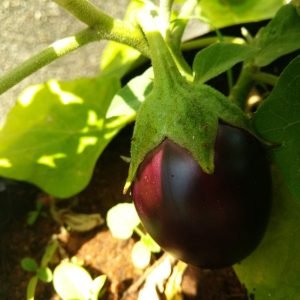
Native GI Tag Vellore Elavambadi Brinjal SeedsQuantity: 50seeds
SKU:SKU-BRIN001-1The Elavambadi thorn brinjal has been grown in Vellore district for generations, especially in the villages of Anaicut, Katpadi, Gudiyattam, and Pernambut. Locally known as “Mullu Kathirikai”, it is deeply rooted in Tamil cuisine and culture, often used in wedding feasts, temple offerings, and village dishes.
In 2023, it received the GI (Geographical Indication) tag, recognizing its unique morphology, historical cultivation, and regional importance. By growing this brinjal, you become a steward of seed heritage and biodiversity.
Native GI Tag Vellore Elavambadi Brinjal Seeds