
Verticillium Lecanii Bio Pesticide | Biological Insecticide for Whitefly, Aphids & Thrips – HOOGA Seeds
Verticillium Lecanii Bio Pesticide | Biological Insecticide for Whitefly, Aphids & Thrips – HOOGA Seeds
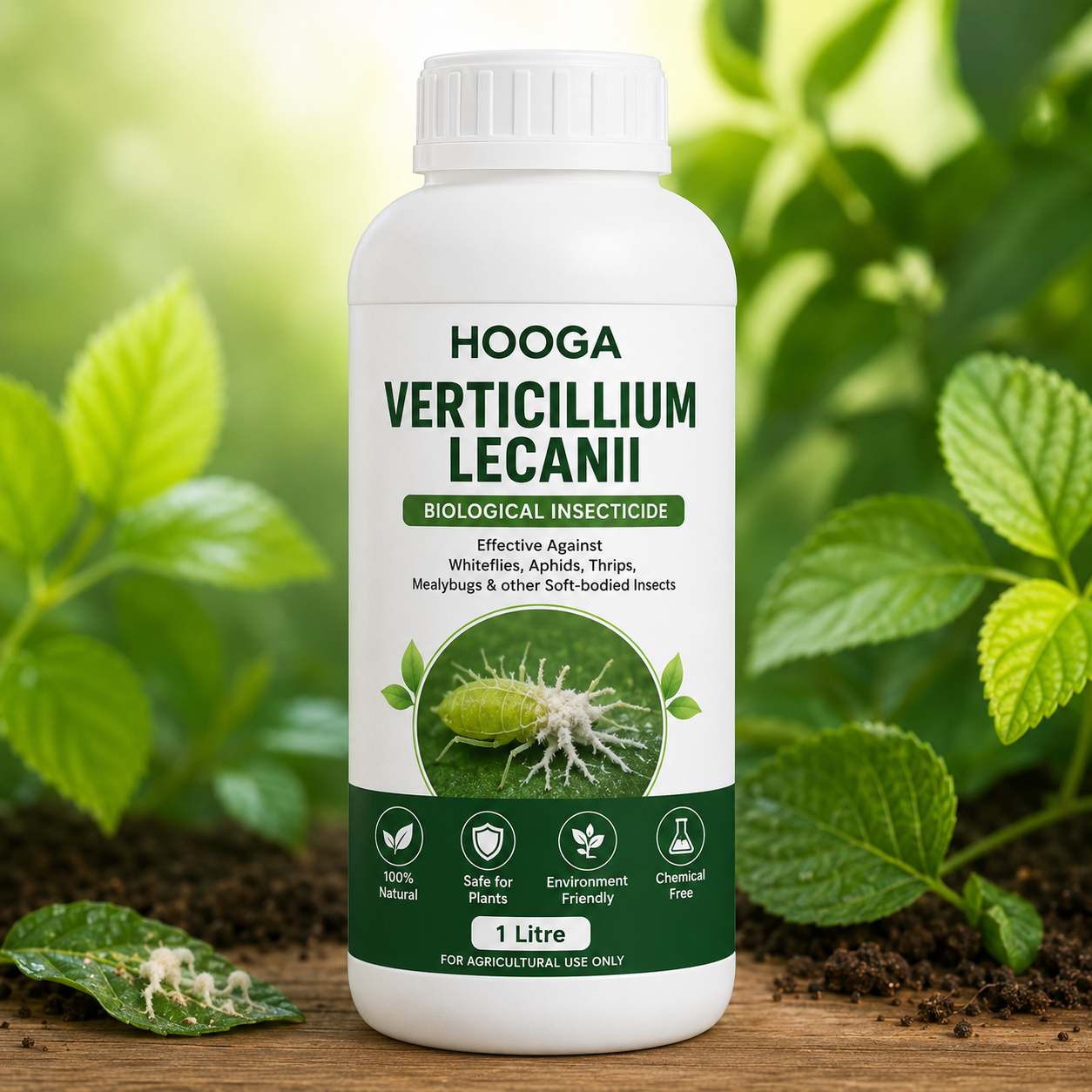
Quantity: 1 Litre
Verticillium Lecanii is widely used in agriculture as a biological control agent against sucking pests, including whiteflies, aphids, thrips, mealybugs and jassids. The fungal spores come into contact with susceptible insects, germinate under suitable environmental conditions and can penetrate the insect body, helping suppress pest populations.
It is an excellent addition to Integrated Pest Management (IPM) and biological crop-protection programs for farmers, nurseries, home gardeners, terrace gardens and sustainable growers.
Verticillium Lecanii Bio Pesticide | Biological Insecticide for Whitefly, Aphids & Thrips – HOOGA Seeds
Description
Verticillium Lecanii Bio Pesticide | Biological Insecticide for Whitefly, Aphids & Thrips – HOOGA Seeds
Verticillium Lecanii – Biological Insecticide for Sucking Pests
Natural Biological Control for Whiteflies, Aphids, Thrips & Mealybugs
Protect your crops with HOOGA Seeds Verticillium Lecanii, a biological insect-control solution based on the beneficial entomopathogenic fungus Verticillium lecanii (Lecanicillium lecanii).
Verticillium Lecanii is widely used in agriculture as a biological control agent against sucking pests, including whiteflies, aphids, thrips, mealybugs and jassids. The fungal spores come into contact with susceptible insects, germinate under suitable environmental conditions and can penetrate the insect body, helping suppress pest populations.
It is an excellent addition to Integrated Pest Management (IPM) and biological crop-protection programs for farmers, nurseries, home gardeners, terrace gardens and sustainable growers.
🌿 Biological Pest Management • Healthier Plants • Sustainable Farming
What Is Verticillium Lecanii?
Verticillium lecanii, currently known as Lecanicillium lecanii, is an entomopathogenic fungus used as a biological control agent against various insect pests.
Unlike conventional chemical insecticides, this biological approach uses a naturally occurring fungus to target susceptible insects.
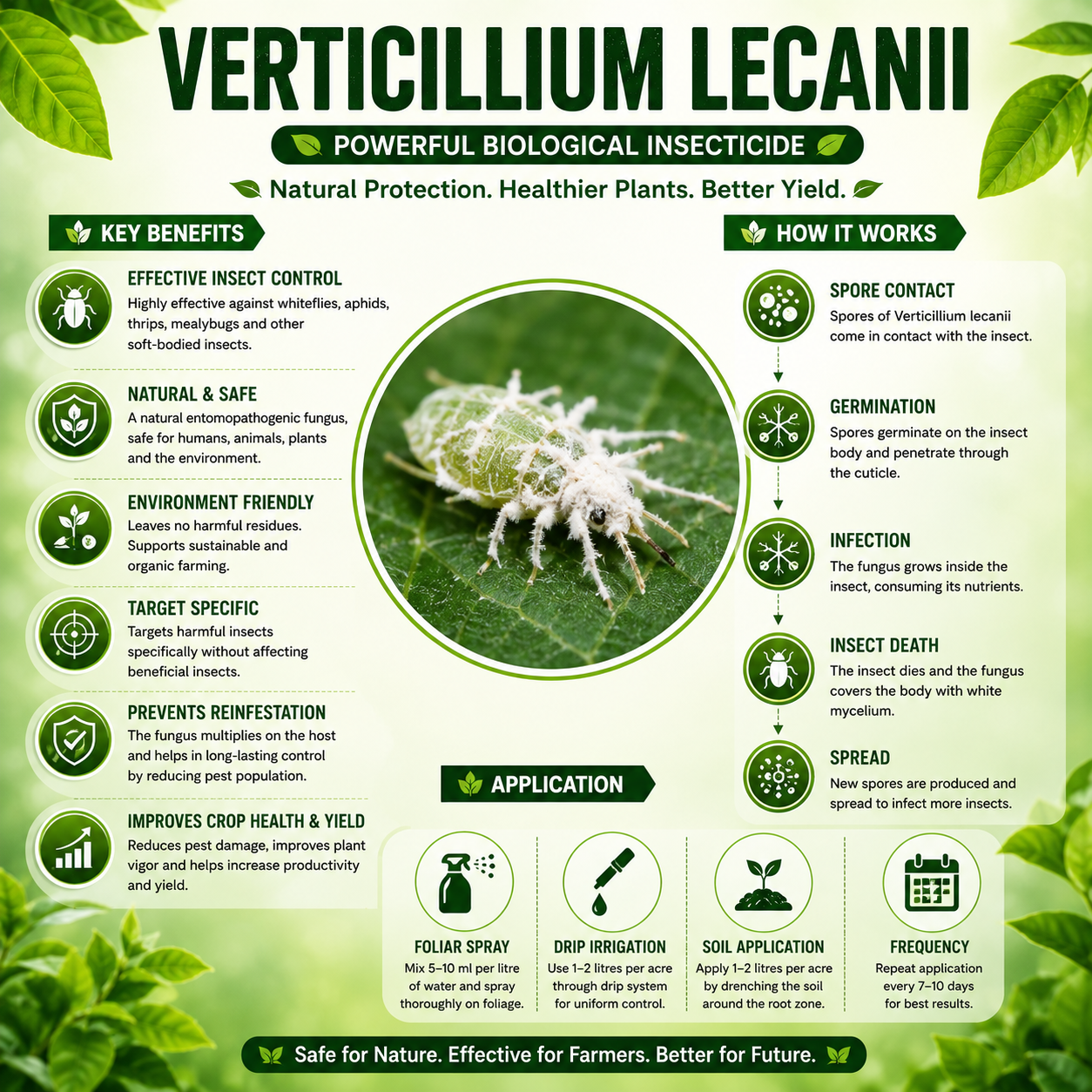
The fungal spores can attach to the insect’s outer surface, germinate and penetrate the insect under favourable conditions. The fungus then develops inside the insect, ultimately contributing to pest mortality.
This makes Verticillium Lecanii an important biological option for growers looking to diversify their pest-management strategy.
Why Use HOOGA Seeds Verticillium Lecanii?
🪰 1. Helps Manage Whiteflies
Whiteflies are common sucking pests that can rapidly multiply on vegetables, cotton, ornamentals and other crops.
Verticillium Lecanii is used as a biological control option against whiteflies, particularly as part of an integrated pest-management program.
🌿 2. Helps Control Aphids
Aphids feed by sucking plant sap and can cause curling, weakening and reduced plant vigour.
Verticillium Lecanii can be incorporated into a biological pest-management program targeting susceptible aphid populations.
🌱 3. Helps Manage Thrips
Thrips are small, difficult-to-manage pests that can damage tender leaves, flowers and developing plant tissues.
Lecanicillium lecanii is among the biological agents used against thrips in agricultural systems. ICAR documentation specifically identifies it for thrips management in cotton.
🐛 4. Helps Manage Mealybugs
Mealybugs are soft-bodied sucking pests that can affect vegetables, fruits, ornamentals and other plants.
Verticillium Lecanii is used against mealybugs as part of biological pest-control programs.
🌱 5. Biological Alternative for Integrated Pest Management
Verticillium Lecanii can form part of an Integrated Pest Management (IPM) program.
Instead of depending on a single method, IPM combines:
Pest Monitoring + Cultural Practices + Biological Control + Appropriate Crop Protection
This approach helps growers manage pests while considering the wider crop ecosystem.
Target Pests
HOOGA Seeds Verticillium Lecanii can be positioned for biological management of susceptible populations of:
- Whiteflies
- Aphids
- Thrips
- Mealybugs
- Jassids
- Other susceptible soft-bodied sucking pests
These are among the major target pests reported for Lecanicillium lecanii formulations.
Always check the product label for the officially recommended crops and target pests for your specific formulation.
How Does Verticillium Lecanii Work?
The biological action of Verticillium Lecanii is different from that of conventional contact insecticides.
Step 1 – Fungal Spores Reach the Pest
When properly applied, fungal spores come into contact with susceptible insects.
Step 2 – Spores Attach to the Insect
The spores attach to the insect’s outer body.
Step 3 – Germination
Under suitable temperature and humidity conditions, the spores germinate.
Step 4 – Penetration
The fungus can penetrate the insect’s outer cuticle using biological mechanisms and enzymes.
Step 5 – Fungal Growth
The fungus develops within the insect and interferes with its normal functioning.
Step 6 – Pest Mortality
The infected insect eventually dies, helping reduce the pest population.
ICAR describes L. lecanii conidia attaching to the insect cuticle, germinating and penetrating with enzymes such as chitinase and protease.
Why Environmental Conditions Matter
Because Verticillium Lecanii is a living biological agent, its performance depends on environmental conditions.
Factors such as:
- Temperature
- Relative humidity
- Sunlight
- Pest population
- Crop canopy
- Spray coverage
- Timing of application
can influence biological performance.
This is why good spray coverage and appropriate application timing are important.
ICAR’s current technology documentation recommends evening application for its L. lecanii formulation, helping provide conditions more favourable for fungal survival.
Verticillium Lecanii for Vegetable Crops
Sucking pests can cause significant problems in vegetable cultivation.
Verticillium Lecanii can be incorporated into suitable biological pest-management programs for crops such as:
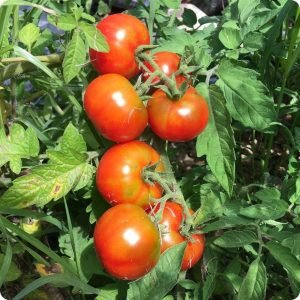
🍅 Tomato
For managing susceptible whitefly and other sucking-pest populations.
🌶️ Chilli
Useful as part of an integrated approach to thrips and other sucking pests.
🍆 Brinjal
Can be included in biological pest-management programs.
🥒 Cucurbits
Suitable for integrated management of susceptible sucking pests where recommended.
🥬 Leafy Vegetables
Can be considered as part of a biological crop-protection program according to the product label.
Verticillium Lecanii for Fruit Crops
Sucking pests can also affect horticultural crops.
Biological control programs using Verticillium Lecanii may be considered for suitable fruit crops where the product is registered/recommended.
Potential crop categories include:
- Banana
- Citrus
- Grapes
- Guava
- Papaya
- Pomegranate
- Other horticultural crops
Use only on crops specified on your product label.
Verticillium Lecanii for Cotton
Cotton is one of the crops where Lecanicillium lecanii has been specifically documented for biological management of sucking pests.
ICAR’s recent technology documentation identifies L. lecanii for aphids, whiteflies, thrips and mealybugs in cotton.
For commercial agricultural use, always follow the registered crop, pest, formulation and dosage instructions applicable to your product.
Verticillium Lecanii Bio Pesticide | Biological Insecticide for Whitefly, Aphids & Thrips – HOOGA Seeds
Verticillium Lecanii for Home Gardens
You don’t need a large farm to pay attention to biological pest management.
Verticillium Lecanii can be useful for growers managing suitable crops in:
🏡 Home gardens
🌿 Kitchen gardens
🪴 Grow bags
🌱 Terrace gardens
🌻 Flower gardens
🌳 Nurseries
🌾 Farms
🏭 Protected cultivation
For home gardening, always use the product according to its label and intended application.
Verticillium Lecanii Bio Pesticide | Biological Insecticide for Whitefly, Aphids & Thrips – HOOGA Seeds
Suitable for Sustainable Farming
Modern farming increasingly focuses on reducing unnecessary dependence on conventional chemical inputs while maintaining effective pest management.
Biological products such as Verticillium Lecanii can be incorporated into a broader sustainable crop-protection strategy.
A balanced approach includes:
Healthy Soil
Good Crop Nutrition
Regular Pest Monitoring
Biological Control
Good Farm Hygiene
Integrated Pest Management
Verticillium Lecanii should be viewed as one component of an integrated pest-management system, rather than a universal replacement for all crop-protection products.
Verticillium Lecanii Bio Pesticide | Biological Insecticide for Whitefly, Aphids & Thrips – HOOGA Seeds
Benefits at a Glance
🌿 Biological Pest Control
Uses an entomopathogenic fungus to target susceptible insect pests.
🪰 Targets Sucking Pests
Used against important pests such as whiteflies, aphids, thrips and mealybugs.
🌱 Suitable for IPM
Can be incorporated into Integrated Pest Management programs.
♻️ Environmentally Considerate Approach
Provides a biological option for growers seeking alternatives or complements to conventional pest-control methods.
🌾 Suitable for Agriculture & Horticulture
Used across suitable crop systems, depending on formulation and registration.
🌿 Supports Sustainable Crop Protection
Helps diversify pest-management strategies and reduce reliance on a single control method.
Verticillium Lecanii Bio Pesticide | Biological Insecticide for Whitefly, Aphids & Thrips – HOOGA Seeds
How to Use Verticillium Lecanii
The exact dosage must be based on the concentration and formulation of your HOOGA Seeds product.
Different commercial formulations can have substantially different viable counts and recommended doses. For example, published commercial specifications range from formulations around 1 × 10⁸ CFU/g or ml to higher-concentration liquid formulations.
Therefore, do not copy another manufacturer’s dosage onto the HOOGA Seeds product page.
Common application method
Foliar Spray
Apply the recommended diluted formulation uniformly over the crop, paying particular attention to areas where sucking pests are present, such as the undersides of leaves.
For biological products, good coverage is particularly important.
Verticillium Lecanii Bio Pesticide | Biological Insecticide for Whitefly, Aphids & Thrips – HOOGA Seeds
Best Application Timing
Application is generally more useful when pest populations are low to moderate or during early infestation, rather than waiting until severe crop damage has occurred.
ICAR’s documented L. lecanii technology recommends early pest incidence and repeated applications at specified intervals for its particular formulation.
Always follow the dosage and application schedule printed on the HOOGA Seeds product label.
Important Precautions
Because Verticillium Lecanii contains living microorganisms:
- Store according to the product label.
- Protect from excessive heat.
- Avoid unnecessary exposure to direct sunlight.
- Use before the stated expiry date.
- Follow the recommended dilution.
- Ensure good spray coverage.
- Avoid indiscriminate mixing with fungicides.
- Check compatibility before tank mixing with other agricultural inputs.
- Use appropriate protective equipment according to the label.
- Keep away from children and food products.
Do not mix Verticillium Lecanii with chemical fungicides unless compatibility is specifically confirmed, as fungicides may affect fungal viability.
Verticillium Lecanii Bio Pesticide | Biological Insecticide for Whitefly, Aphids & Thrips – HOOGA Seeds
Why Choose HOOGA Seeds?
At HOOGA Seeds, we believe sustainable agriculture starts with understanding the relationship between soil, plants, microorganisms, farmers and the wider ecosystem.
Our biological crop-protection products are intended to give growers additional tools for managing their crops responsibly.
Grow Native. Eat Native. Live Healthy.
From native seeds to biological farm inputs, HOOGA Seeds aims to bring more sustainable agricultural choices closer to farmers and gardeners.
Verticillium Lecanii Bio Pesticide | Biological Insecticide for Whitefly, Aphids & Thrips – HOOGA Seeds
Buy Verticillium Lecanii Online
Looking for Verticillium Lecanii bio pesticide online?
Choose HOOGA Seeds Verticillium Lecanii for biological management of susceptible sucking pests and incorporate it into your farm, nursery, kitchen garden or IPM program.
Target Pests
Whitefly • Aphids • Thrips • Mealybugs • Jassids
Biological Crop Protection
Natural Biological Action • Integrated Pest Management • Sustainable Farming
Buy Verticillium Lecanii from HOOGA Seeds
Frequently Asked Questions
What is Verticillium Lecanii?
Verticillium Lecanii is the commonly used name for a beneficial entomopathogenic fungus now generally classified as Lecanicillium lecanii. It is used as a biological control agent against certain insect pests. Verticillium Lecanii Bio Pesticide | Biological Insecticide for Whitefly, Aphids & Thrips – HOOGA Seeds
What pests does Verticillium Lecanii control?
It is used against several sucking pests, including whiteflies, aphids, thrips and mealybugs. Some formulations also list jassids and scale insects.
Is Verticillium Lecanii a chemical pesticide?
No. It is a microbial biological control agent based on a fungus.
Is Verticillium Lecanii useful for whitefly?
Yes. Whitefly is one of the major target pests for Lecanicillium lecanii biological formulations.
Can Verticillium Lecanii be used for aphids?
Yes. L. lecanii is used as a biological control agent against aphids.
Can it be used for thrips?
Yes, L. lecanii is documented for thrips management, including in cotton.
Can it control mealybugs?
Mealybugs are among the sucking pests targeted by commercial L. lecanii formulations.
Is Verticillium Lecanii suitable for organic farming?
Some L. lecanii products are marketed or certified for organic production, but certification applies to the specific formulation, not automatically to every product containing the organism. Your HOOGA Seeds product should only be advertised as “organic certified” if you have the applicable certification.
Can I use it with fungicides?
Check compatibility before mixing. Because Verticillium Lecanii is a living fungus, some fungicides can reduce its viability.
When is the best time to spray?
Biological insecticides generally perform better when applied at early pest incidence, with suitable environmental conditions and good spray coverage. ICAR’s documented L. lecanii technology recommends evening application for its formulation.
Verticillium Lecanii Bio Pesticide | Biological Insecticide for Whitefly, Aphids & Thrips – HOOGA Seeds
Product Highlights
Product: Trichoderma
Pack Size: 1 Litre
Type: Beneficial fungal biological input
Primary Use: Root-zone and soil management
Suitable For: Vegetables, fruits, nurseries, farms, gardens and grow bags
Key Focus: Soil health • Root-zone biology • Biological disease management • Plant establishment
Additional information
| Weight | 1.3 kg |
|---|---|
| Dimensions | 30 × 25 × 30 cm |
Related products
Recently viewed


Reviews
There are no reviews yet.